

What is space computing, and why move computing power into orbit?
2026-04-06 09:11:50
|
来源:CGTN
China is accelerating the development of its space computing industry in a systematic and orderly manner, said an official with the Ministry of Industry and Information Technology on Friday.
Space computing refers to deploying computing capabilities in orbit, using satellite networks to achieve seamless global coverage. Compared with ground-based data centers, its biggest advantages are real-time processing and wide-area coverage. The development of space computing is being driven by multiple factors, including the explosive demand for AI computing power, breakthroughs in reusable rocket technology and the limitations of energy and space faced by ground-based data centers.Conventional satellites operate like "cameras that only take pictures." They collect vast amounts of raw data in space, transmit it back to ground stations and rely on supercomputers for analysis and decision-making. In contrast, space computing equips satellites with radiation-hardened chips, servers and storage devices, allowing multiple satellites to form a network. This approach enables satellites to collect, analyze and make decisions in real time, sending back only the most valuable results to Earth.
China is not alone in pursuing this approach. SpaceX in the United States plans to deploy a million satellites in low Earth orbit to serve as orbital data centers. Russia is advancing computing upgrades to its satellite networks, while Japan is focusing on in-orbit processing of Earth observation data.
But deploying computing power in space is far from cheap. So why are countries still intent on moving data centers into orbit?
Ground-based supercomputing centers face high energy consumption and costly cooling challenges. In orbit, satellites can draw on continuous solar energy and dissipate heat more effectively in the vacuum of space, offering a potentially more sustainable model.
Coverage is another key advantage. Ground infrastructure is limited by geography, leaving gaps in remote regions such as oceans, deserts and high-altitude areas. Satellite networks, by contrast, can provide near-complete global coverage, enabling consistent access to computing resources anywhere on the planet.
Moreover, the real-time capabilities of in-orbit computing can dramatically shorten the time between data collection and decision-making. Instead of waiting for images to be sent to Earth for analysis, satellites can perform recognition, generate alerts and transmit critical information within seconds.
Beyond efficiency and performance, space computing carries strategic implications. It could serve as a resilient backup in the event of disruptions to terrestrial networks and provide essential computational support for future deep-space exploration missions.
郑重声明:本则消息未经严格核实,也不代表本站观点,本站不承担任何法律责任。





 最新热点
最新热点
-
联合国安理会否决伊朗制裁委员会专家小组授权延期决议

联合国安理会否决伊朗制裁委员会专家小组授权延期决议
最新热点联合国安理会17日未能通过伊朗制裁委员会专家小组授权延期决议。 这一由美国起草的决议草案表决结果为:11票赞成、2票反对、2票弃权。安理会常任理事国俄罗斯和中...
-
李家超:继续打造香港成为“亚洲盛事之都”
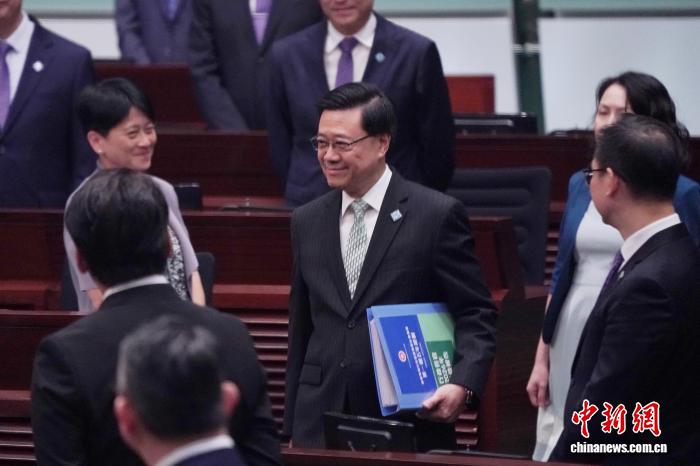
李家超:继续打造香港成为“亚洲盛事之都”
最新热点中新网香港9月16日电 香港特区行政长官李家超16日在特区立法会会议上公布《香港特别行政区经济和社会发展第一个五年规划(2026—2030年)》。他...
-
特朗普重申伊朗战事将在中期选举后结束

特朗普重申伊朗战事将在中期选举后结束
最新热点消息称,美国总统特朗普13日在访问爱尔兰时重申,伊朗战事将在中期选举后结束。 特朗普当天接受采访时称,伊朗战事将在11月美国国会中期选举后立即结束,届时&ld...
-
中国353种期刊入选2025年度世界一流科技期刊目录
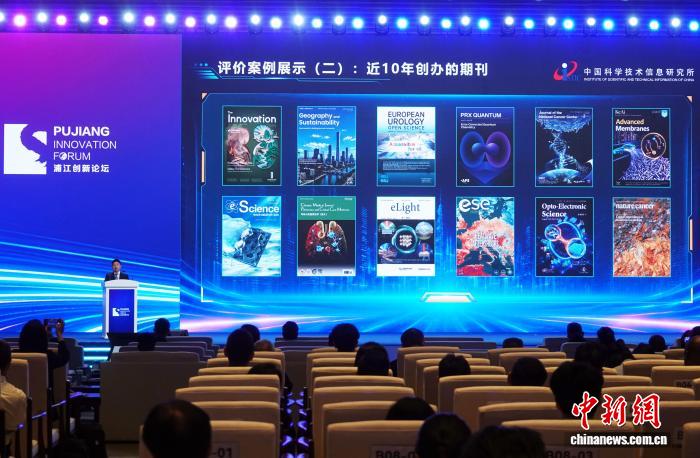
中国353种期刊入选2025年度世界一流科技期刊目录
最新热点中新网上海9月12日电 (记者 孙自法 郑莹莹)中国科学技术信息研究所(中信所)9月12日在上海发布2025年度世界一流科技期刊目录,共包含6132种科技期刊,...
-
以军:使用1100吨炸药 摧毁黎南部真主党地下设施

以军:使用1100吨炸药 摧毁黎南部真主党地下设施
最新热点中新网9月11日电 据《以色列时报》报道,当地时间10日,以色列军方称,以军使用1100吨炸药,摧毁了黎巴嫩南部阿里塔希尔高地之下的黎真主党地下设施。 据报道...
 VIP展示
VIP展示
 华侨之声
华侨之声
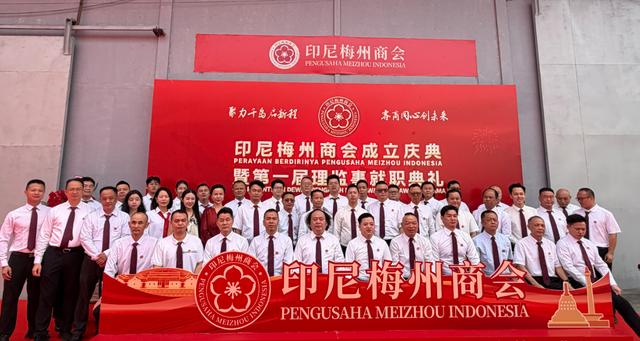 印尼梅州商会在雅加达成立 搭建中印尼客属经贸文化交流新平台
 侨界青年在广州助力环“两山”引领区建设发展
 辽宁省汇聚慈善力量让红山文化“活起来”